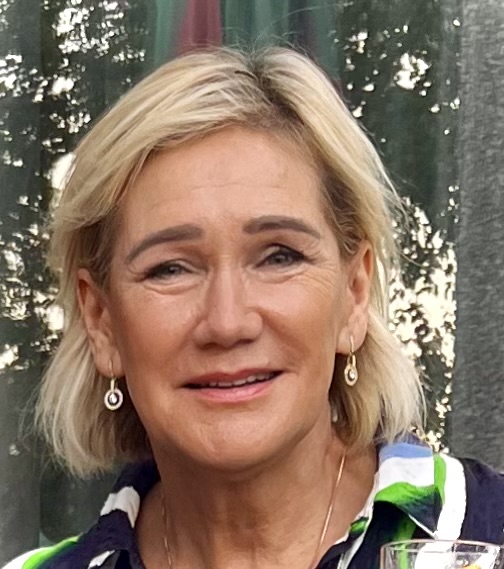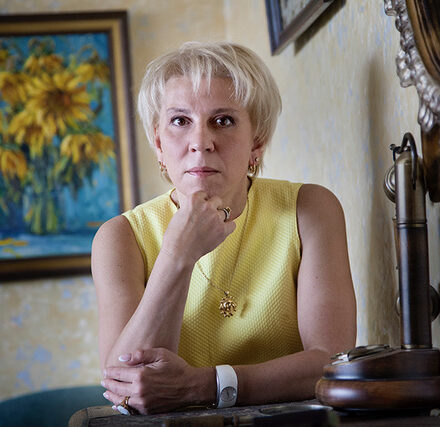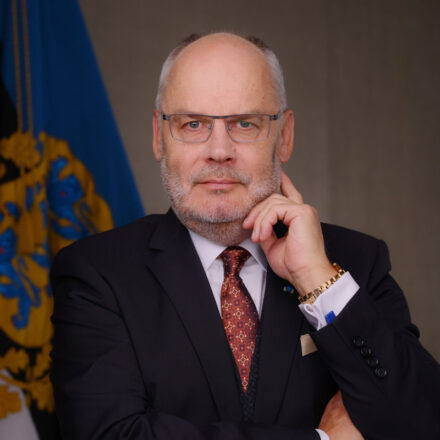



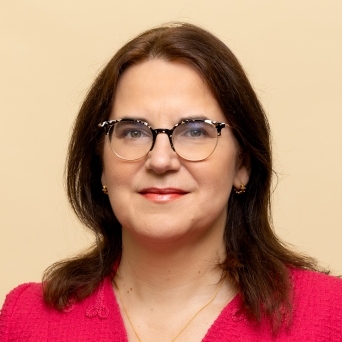

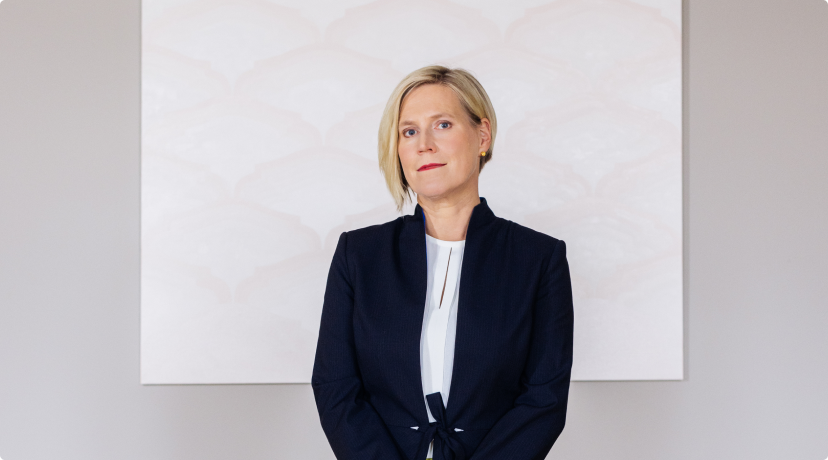
PhD Ülle Madise is one of Estonia’s most recognised and plain-spoken legal minds. Since 2015 she has served as the Chancellor of Justice—the independent constitutional guardian whose day-to-day work is to ensure that state power does not override people’s fundamental rights and that laws and decisions stay within the limits of the Constitution. She does this not only “on paper” but in a very practical way, speaking out when policies risk becoming unfair, disproportionate, or rushed.
One of the central themes of the day is the children deported from Ukraine. Why does the international community, which so often speaks of values, remain so hesitant in its actions when tens of thousands of Ukrainian children have been violently taken from their homes and their fate remains unknown? The question we ultimately must confront is simple, yet deeply uncomfortable: do universal values apply equally to all children — or only to those whose stories happen to be visible?
According to Ukraine’s official Children of War registry, a total of 19,546 children have been taken to Russia or to territories under Russian control. Official reports indicate that approximately 1,625 children have been returned, but the whereabouts of more than 17,900 children remain unknown or their repatriation is still ongoing.